
Statements Made in Oral Argument Live Longer than You Might Think.
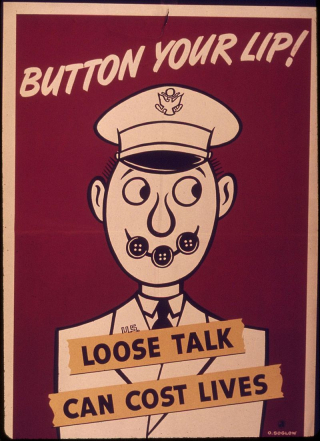
I am a big proponent of oral argument. It can, and should, make a difference in complicated cases. No matter how tight our writing is, there is something about the give-and-take of oral argument with a well-prepared panel that refines arguments in a way that is difficult to match. But we also have to be very careful, or the words we say can live on in ways we did not expect.
While I was catching up on my reading following summer vacation with my family (a big thank you to my friend, John Browning, for covering with his excellent guest post while I was gone), I dove into the recent analysis of the Plain Error Doctrine in Justice Oldham’s concurring opinion in U.S. v. Del Carpio Frescas, No. 17-50245 (5th Cir. July 29, 2019). While I found his analysis of the origins and misadventures of the doctrine since the 1800s to be fascinating and recommended reading for anyone who deals with the doctrine or the topic of waiver versus forfeiture of error, what caught my attention most was his reference to a comment by the Federal Public Defender’s Office made during oral argument in a different matter. Without going into detail, Justice Oldham used that comment to raise what he considers to be an anomaly in the law.
We already know that some Supreme Court Justices are prone to quoting oral argument in the opinions that they write in the same matter. According to a 2008 analysis, Justice Ginsberg cites the transcript in almost every opinion she writes, with Chief Justice Roberts following a bit behind at one citation to the transcript every other authored opinion. See Frederick Liu, Citing the Transcript of Oral Argument: Which Justices Do It and Why, 118 Yale L.J. Pocket Part 32 (2008). The Justices use the transcript for three primary reasons: (1) to describe an advocate’s affirmative position; (2) to record an advocate’s concession; and (3) to note an advocate’s representation of the record or facts. Being quoted is not necessarily a good thing — Justices were almost twice as likely to cite statements made by an advocate whose side they opposed than one they supported.
We already know, then, that what we say at oral argument in a given case may be used in the opinion that follows. The oral argument does seem to make a difference, at least to justices on the margins, and the right argument can still sometimes win the day. Of course, the converse is true. Loose lips can sink ships. The impact of the statements made at oral argument is the primary reason I urge advocates to “moot” their appeals.
But what struck me about Justice Oldham’s use of the transcript was that he was drawing from other cases. As more courts record oral argument and transcripts become more widely available and searchable, the idea of having my words used in an opinion months or years later is a bit sobering. And it drives home the idea that these transcripts are another important research tool that is easy to overlook.
Don’t forget that even our spoken words live longer now than ever. We need to tap into that as a source of research, and be careful with what we say for both the cases we are currently handling and the ones we may handle in the future.
(Image information: WWII era poster from the U.S. National Archives and Records Administration).